15 Headphones Over The Ear Headphones Benefits Everyone Must Be Able To


Headphones Over the Ear - What You Need to Know
Headphones that cover your ears completely offer better isolation from noise than earphones that sit on your ear. They also feature higher-quality sound. They typically have advanced technology like modern Bluetooth chips, audio codecs and large drivers (such as magnetic ones that are planar).
They also provide greater comfort for long listening sessions and they often have active noise cancellation. However, they are usually more expensive than earbuds.
Isolation
A good pair of headphones will isolate your ears and block out external noise. This is known as acoustic isolating, which is difficult to quantify on paper because manufacturers often make up vague numbers such as "30dB noise reduction."
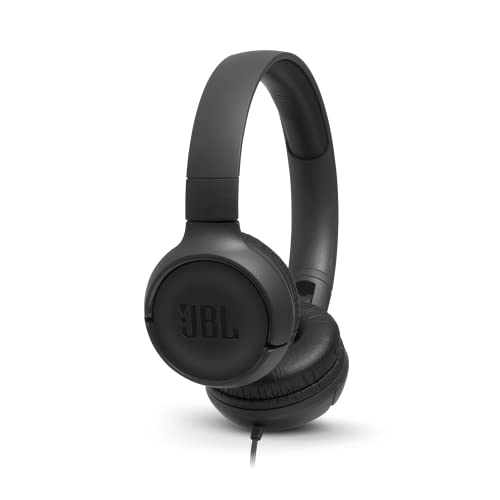
Over-ear headphones usually provide the best isolation since they cover your ears. They are perfect for work, studying or commuting. They are the most comfortable as they rest on your head, rather than pressing against your ears.
On-ear headphones are a popular option for audio that is isolated. They are less bulky and rest on the outside of the ear. However, they allow some sound to leak through the ear cups. They are a great choice for people who prefer listening to music without the bulk of over-ear headsets.
Earbuds, the smallest headphone type, sit inside your ear canal and offer some more privacy than headphones that protect your ears. However, they're not recommended for long listening sessions because they can cause hearing damage when utilized at high volumes. They also can be thrown out of your ear, which can cause distraction for some.
Active noise cancelling headphones, also known as ANC make use of built-in technology to mute the ambient sounds around you, which can help with concentration and focus. They use microphones to pick up ambient sound waves, and then changing them into silence. Certain sounds, such as the sound of acoustic instruments and voices may still be heard.
They are cheaper and don't need batteries. They aren't as effective however, and can occasionally produce a hissing sound that some are uncomfortable with. Certain brands, such as Bose collect acoustic data from their headsets and share the information with a third party that some users are uncomfortable with. It's possible to hide it in long service agreements or deep within app permissions. Make sure you check it out before buying. Other companies, such as Sony and Sennheiser don't gather any information from their headsets.
Sound Quality
Quality of sound is crucial regardless of whether you're a music lover or just need to listen to audio content. Over-the-ear headphones tend to have superior sound quality than earbuds because they cover your ears more comprehensively and allow less ambient noises to enter which is great for hearing protection. They are also equipped with larger drivers that can produce a clearer and more wide-sounding sound.
They often feature padded ear cups made from materials like memory foam, which cushions your head and ears for extended listening sessions. They typically have adjustable headbands, with rotating or collapsible hinges for easy storage. They are heavier than earbuds, and therefore less portable, but some have collapsible base that fold flat to transport and a carrying case to make it easier.
Many over-ear headphones are wireless and come with active noise cancellation, making them perfect for listening on public transportation or while at work. However, headphones that do not have active noise cancellation can still be a great option. They are comfortable, just don't over-press your ears too much and don't force you to increase the volume.
It is possible to find headphones that have a design or color you like. One example is the I-MEGO Throne Gold, which has gold accents that make it stand out among the crowd. Sivga Oriole has striking wooden ear cups.
Certain headphones for over-ear are specifically designed to be used in studios and come with the highest quality construction. These headphones may not be as elegant and can be more expensive than other models, but they are built for serious listening and concentrate on audio reproduction.
Over-ear headphones generally have deep and rich bass that is tuned for balanced playback. Low-mids are warm and smooth, while high-mids are crisp and detailed. This ensures vocals can be heard through a mix and that instruments such as synths and guitars are distinct.
Comfort
Over-ear headphones fit over your ears, unlike in-ear models that are placed inside your ear canal. They are also more comfortable for long listening sessions than the on-ear models. Their ear cups are larger and can accommodate more padding. They also typically have a headband that sits on top of your head, alleviating pressure on your ears and head.
Over-ear headphones can also feature larger drivers due to the larger ear cups. This allows them to reproduce sound with more clarity and clarity. This is particularly true at the low and high end, where acoustic instruments like pianos and violins can truly shine. They also are more likely to feature active noise cancellation (ANC) integrated, which can help to minimize the sound of the environment as you listen.
Some headsets for over-ear use also come with a microphone that can be used to allow hands-free calls. They are particularly useful for those who are in a noisy setting or are on the move. Some models have touch sensors on the earcups so you can control your music, voice assistants, and other apps. They're a great option for use on the move. Some models even have built-in storage, so you can fold the earphones into a compact carrying bag when they are not in use.
On-ear headphones are thought to be second best headphones for comfort and audio quality. They look like over-ear headphones. They are slightly more compact than the over-ear models but provide good sound isolation. This is particularly relevant when using active noise cancelling models. They block out outside sounds better than over-ear headphones. However there is a chance that outside noise could still be heard through the ear cups.
On-ear headphones come with larger earcups that can hold larger batteries. This lets them last longer than other styles of headphone. This is particularly true when ANC is activated and can cut down playback time for many headphones on ear by as much as 50%. On-ear headphones last up to 40 hours on just one charge. This makes them the most portable type of headphone.
Noise Cancellation
Noise cancelling headphones block outside noises, allowing you to concentrate on the music. There are two types - active noise cancelling and passive noise isolation. Active noise cancelling headphones employ special circuitry to electronically reduce external sound by being able to detect it and match it with a frequency that is opposite and equal. Passive noise isolation uses physical barriers, such as padding and ear cups to block out unwanted sounds. Both technologies offer effective solutions to block out noise that is distracting to the surrounding environment however active noise cancellation is more sophisticated and more expensive to produce than passive isolation.
The ANC technology built into some headphones is powered by an internal speaker known as an electrodynamic driver or more specifically a moving coil driver. These devices employ the stationary magnetic element typically made of neodymium or ferrite, to create a magnetic field around a voice coil. The voice coil is a lightweight, coiled-wire that is suspended in a magnetic field. It vibrates to produce acoustic waves transmissions. The vibrations produced are converted into electronic signals that produce audio through the headphones' transducers.
ANC headphones typically feature ear pads with thick padding that create a snug fit over the ears to shield them from external sound. The acoustic tampering they offer is much better than the one provided by in-ear or on-ear headphones. However, the ANC in some headphones can be hampered by poor design. The ear pads could leak sounds or have a small surface area to effectively seal your ears against the sound.
Certain headphones come with some headphones with a "Transparency Mode", which lets you listen to the outside world while listening to your music. This feature is beneficial when you want to be able to hear what's happening around you, such as announcements in a plane or talking to someone.
If bose over head headphones looking to buy a cheap pair of noise-canceling headphones look into the Monoprice BT600ANC. These Bluetooth headphones cost less than $100 and include an in-built microphone with control buttons as well as aptX support and high-quality audio codecs. They're not as great in sound isolation as the more expensive options we tested however they provide excellent value for money.